Two harvesters fined a combined $10,500 for illegal shellfish harvesting and obstruction in Nanoose Bay
Canada NewsWire
NANAIMO, BC, Feb. 24, 2026
NANAIMO, BC, Feb. 24, 2026 /CNW/ - Illegal harvesting contributes to declining fish stocks and aquatic habitat destruction, as well as threatens food safety, and impacts the sustainability of fisheries for coastal and Indigenous communities, recreational harvesters, and commercial operators. Fisheries and Oceans Canada (DFO) fishery officers play a vital role in combatting illegal harvesting through their work to enforce fishing laws, conduct inspections, monitor ecosystems, and promote public education and conservation.
On January 22, 2026, in Nanaimo Provincial Court, Chao Jan Yu and Li Hua Chen were convicted of multiple offences under Canada's Fisheries Act. Mr. Yu was fined a total of $6,500 dollars ($2,500 for obstructing a fishery officer carrying out his duties; $2,000 for retaining more than the daily limit of 75 clams; and $2,000 for harvesting prohibited species). Ms. Chen was fined $4,000 dollars ($2,000 for harvesting prohibited species; and $2,000 for possessing illegally caught fish). Both were placed under a two-year fishing prohibition from harvesting any species of fish.
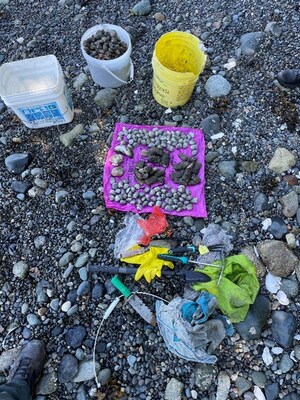
The convictions stem from a July 2024 patrol in the Nanoose Bay Recreational Shellfish Reserve. From an elevated vantage point, fishery officers observed two individuals collecting shellfish in the intertidal zone, an area closed to shellfish harvesting due to possible contamination. As the pair left the beach, they encountered the fishery officers on the railway tracks where Mr. Yu attempted to evade the officers and discarded two buckets of clams.
DFO reminds the public that shellfish harvesting closures are in place to protect public health and ensure sustainable fisheries. Unauthorized harvesting puts consumers, ecosystems, legitimate harvesters and Canada's reputation as an exporter of safe shellfish at risk. Obstructing fishery officers or failing to provide required documentation are serious offences that can result in significant penalties.
DFO protects and conserves marine resources, and enforces the Fisheries Act. As part of DFO's work to disrupt and prevent illegal activity, the Department asks the public for information on activities of this nature or any contravention of the Fisheries Act and regulations. Anyone with information can call DFO Pacific Region's toll-free violation reporting line at 1‑800‑465‑4336, or email the details to DFO.ORR-ONS.MPO@dfo-mpo.gc.ca.
Quick Facts
- Paralytic Shellfish Poisoning (PSP), Amnesic Shellfish Poisoning and Diarrhetic Shellfish Poisoning are the most common illnesses associated with marine biotoxins in Canada. Even cooked shellfish can still contain biotoxins.
- The area where the harvesting occurred was closed to the harvest of certain bivalve shellfish due to elevated levels of PSP detected during regular monitoring.
- The public should consult DFO's shellfish harvest map (SHELLI) to determine where it is safe to harvest bivalve shellfish.
- Bivalve molluscan shellfish have two hinged shells and include oysters, clams, scallops, mussels, and cockles. Because bivalve shellfish feed by filtering microscopic plankton from the water, changes in water quality can result in unsafe marine biotoxins, bacteria, or viruses building up in their tissue, which can be harmful if consumed.
- The fishery officers found over 500 Manila/Littleneck clams, more than 20 horse clam necks, and multiple additional species for which harvest was not permitted. All live shellfish were returned to the harvest site.
Associated Links
Stay Connected
SOURCE Fisheries and Oceans Canada, Pacific Region

